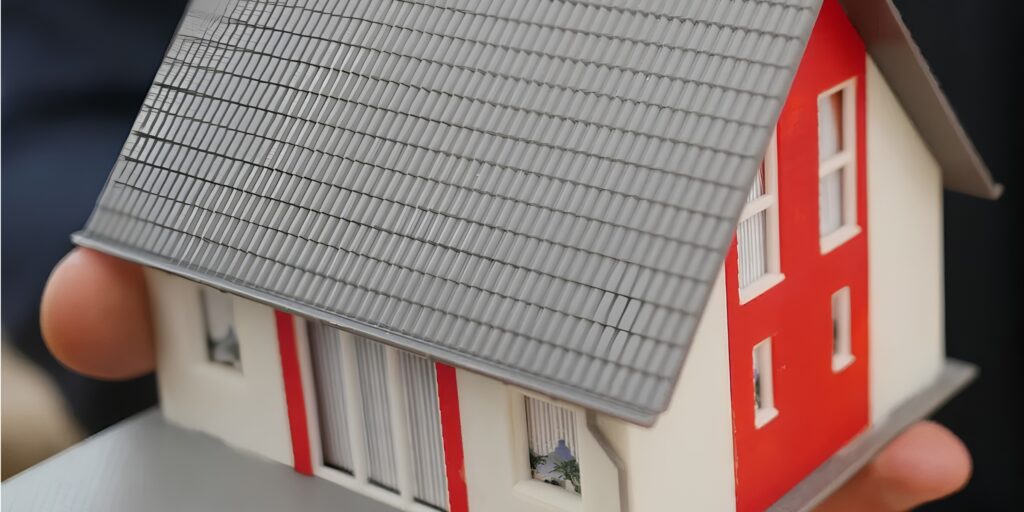

The down payment is the first number most buyers ask about, and it is also the one that is most often misunderstood. The short answer is that the minimum depends on the purchase price, and that putting down more can change your rate, your insurance cost and your monthly payment.
Minimum down payment in Canada
In Canada the minimum down payment is set on a sliding scale. A lower price means a lower minimum percentage, and higher-priced homes require a larger share up front. Homes above the insured-mortgage price limit generally need a 20% down payment. These thresholds have been adjusted by the federal government in the past, so always check the current figures before you plan.
Insured versus uninsured mortgages
If you put down less than 20%, your mortgage is normally insured through a default insurer. The insurance premium is added to the mortgage balance. With 20% or more down, the mortgage is uninsured and you avoid the premium, although lenders may price insured and uninsured files differently.
Do not forget the closing costs
You need more than the down payment. Budget for legal fees, title insurance, a home inspection, an appraisal if the lender does not cover it, and property transfer tax. In British Columbia, first-time buyers and some new-build purchases may qualify for an exemption or reduction, so ask before you assume the full amount applies.
Where the money can come from
- Savings, including a First Home Savings Account or RRSP Home Buyers’ Plan for eligible buyers
- A documented gift from an immediate family member
- Proceeds from the sale of a current home
Lenders want to see where the funds came from, so keep statements for at least 90 days.
Talk to a Langley Mortgage Broker
Every file is different. If you would like to talk through your own situation, the team at M. Abdullah Mortgages is happy to help. Get in touch or start your application online.
This article is general information, not personal financial or legal advice. Rates, rules and lender policies change, so confirm the current details for your situation before making a decision.